Empowering Lives: Essential Insights on Cancer Awareness, Support and Healing
Navigating the tumultuous journey of cancer care is no small feat. Imagine waking up one day and hearing the words, 'You have cancer.' Those words can turn lives upside down in an instant, awakening a whirlwind of emotions that range from fear and disbelief to determination and hope. It's a journey that not only affects the patient but also their families and friends. So, how can we better navigate this challenging path? In this medical blog, we'll explore key insights about cancer awareness, support, and healing as we move from diagnosis to survivorship, fostering an atmosphere that's conducive to healing. After all, as one cancer survivor beautifully put it, 'There is no recipe for healing, but awareness adds a vital ingredient.'
Awareness is the precursor to early detection. The earlier a carcinoma is caught, the better the outcomes tend to be. Through robust awareness campaigns, we can educate our communities about the signs and symptoms of cancer and highlight the importance of regular screenings. Did you know that the five-year survival rate for a malignant tumor is vastly improved when detected early? It's staggering. So ask yourself: What steps can you take today to increase your knowledge about cancer prevention in your community? By advocating for education on preventive care and early detection, we empower ourselves and those around us to act before it's too late.
Navigating treatment options can feel like maneuvering through a maze. Each treatment, from chemotherapy and radiation therapy to newer methods like immunotherapy, requires a personalized approach dictated by an oncologist's expertise and the individual patient's needs. Furthermore, medication and therapy don't just affect the body; they also influence emotional well-being. It's crucial to discuss these aspects, which is where patient support plays an integral role. How do we ensure that patients not only receive the best medical care but also find psychosocial support to manage their emotional health during such a tumultuous time? You are not alone, and help is often just a conversation away—from support groups to skilled counselors dedicated to guiding you through this path.
Healing transcends physical treatment. Lifestyle changes, such as practicing good nutrition for cancer, engaging in regular physical activity, and nurturing mental health, can significantly enhance a patient's well-being—both during treatment and in recovery. For instance, have you ever considered how cancer nutrition could help in symptom management? A healthy diet can improve energy levels and even boost the immune system, aiding the body in its fight against cancer. Countless cancer survivors can attest to the transformative power of dietary changes. Together, let's strive to cultivate habits that reinforce our physical and emotional resilience.
Ultimately, patient advocacy is paramount in the fight against cancer. When we rally together as a community—sharing experiences, discussing clinical trials, and supporting one another through palliative care and beyond—we weave a safety net of hope and connection. Each voice counts. Each shared story makes a difference. Whether through community support or engaging in cancer research initiatives, our collective efforts can influence healthcare policies that benefit us all. So, consider this: In what way will you add your voice to the fight against cancer? Remember, awareness is not just about information; it’s about empowerment, compassion, and the belief that we can all contribute to a future where healing is within reach for everyone.
Building Stronger Support Systems: The Role of Community in Cancer Recovery
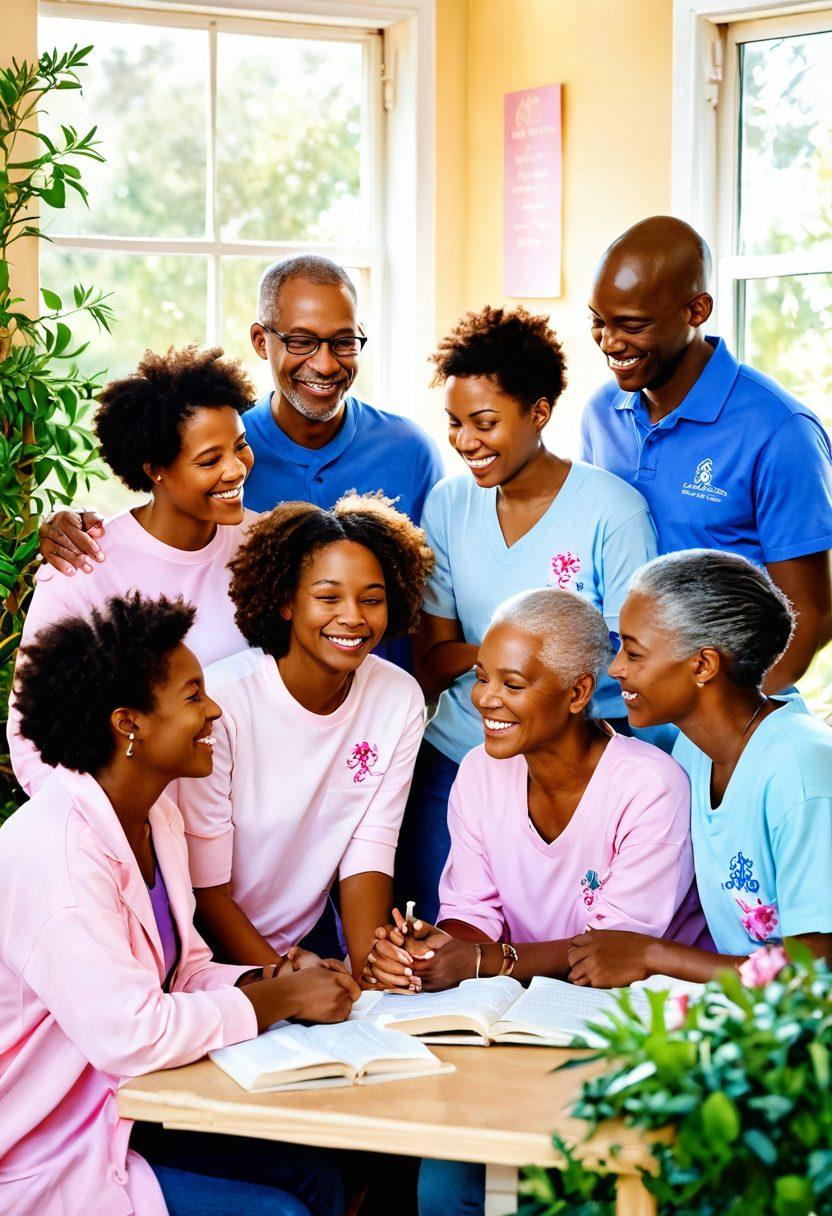
Cancer is not just a medical condition; it’s a profound experience that affects not only the patient but also their family, friends, and entire community. Building a strong support system can play a pivotal role in the cancer recovery journey. As one cancer survivor eloquently put it, 'We can’t fight this battle alone.' This statement captures the essence of why community support is essential, making the phrase 'it takes a village' resonate within the realm of cancer recovery. From awareness campaigns that educate the public about early detection to local support groups that offer psychosocial support, our communities are the beating heart in the fight against cancer.
When faced with a cancer diagnosis, whether it’s carcinoma, malignant tumors, or any other form, the emotional and physical toll can be overwhelming. This is where connecting with others who have faced similar battles becomes both comforting and empowering. Community support can come in various forms: friends rallying around, family providing medication reminders, or neighbors sharing nutrition for cancer tips. These acts of kindness provide not just comfort but foster a sense of belonging that is crucial for emotional well-being. Have you ever wondered how your presence could impact someone going through cancer treatment?
The journey through cancer recovery is multifaceted, often requiring a blend of therapy, treatment, and lifestyle changes. Community can aid in everything from helping individuals access clinical trials for groundbreaking therapies like immunotherapy, to navigating the maze of palliative care options. An oncologist once revealed, 'The success of a treatment plan is not only in the medication but in the mindset of the patient.' With a strong support network, patients can cultivate an empowering environment that promotes healing and enhances symptom management. Isn't it inspiring to think how a positive atmosphere can influence recovery?
Moreover, community support does not stop at medical care—it extends to awareness and education. Initiatives focused on cancer prevention often highlight the importance of preventive care and the critical role lifestyle changes play in reducing cancer risk. Through local events and workshops, communities can amplify cancer education and screening efforts, thereby enhancing early detection rates. When was the last time your community hosted an awareness campaign that brought people together for a cause?
Ultimately, the power of community in cancer recovery is undeniable. When individuals facing cancer share their experiences and knowledge, it reinforces a collective spirit that encourages hope and resilience. Strengthening these connections can create a ripple effect, fostering not just support for individuals but a culture that prioritizes wellbeing and healing. So, what steps can you take today to be an advocate for someone in the cancer fight? No matter how small, your actions can significantly contribute to building stronger support systems and enriching the lives of those around you.
Empowering Patients: Essential Strategies for Effective Cancer Prevention and Treatment
Cancer is often seen as a daunting word, instilling fear and uncertainty in many. Yet, the journey through cancer—whether as a patient, caregiver, or advocate—can be one of profound empowerment and enlightenment. With advancements in cancer research and innovative treatment options such as immunotherapy and radiation therapy, patients are better equipped than ever to take control of their health. So, how can we shift from feeling powerless to becoming empowered when faced with a carcinoma or a malignant tumor? It all starts with awareness and education, and this is where effective cancer prevention and treatment strategies emerge as tools of empowerment.
Every day, countless individuals receive a cancer diagnosis, but it’s crucial to remember: cancer does not define you. It’s a chapter in your life, not the whole story. A pivotal strategy for patients is to understand the importance of early detection. Regular screenings can catch anomalies before they develop into full-blown cancer. This message is not just a talking point; it’s a lifeline. How often do we overlook our health? By participating in awareness campaigns, patients can encourage others to prioritize preventive care and reminder that screening isn't something to delay.
But what happens once a diagnosis is made? The role of an oncologist becomes fundamental. Collaborating closely with healthcare professionals helps in designing personalized treatment plans that could include medication, therapy, or even participation in clinical trials. Finding the right oncologist can feel like dating—you need one that resonates with your values and concerns. Share your fears and expectations. In doing so, you not only gain valuable insights into effective symptom management but also foster a trusting relationship vital for your well-being. Can you think back to a time when connecting with a medical professional made you feel heard and prioritized in your care?
Nutrition for cancer is another vital element that can enhance treatment effectiveness and support the body during therapy. As research continues to highlight the importance of a balanced diet, understanding how different foods can support the healing process empowers patients to take control of their health. Imagine nourishing your body with the power of nutrients, thereby boosting your immune response against cancer cells. With lifestyle changes like embracing a plant-based diet, cultivating relationships in community support groups, and ensuring good physical activity, patients can discover a new sense of agency in their healing journey.
Lastly, psychosocial support can barely be emphasized enough. The emotional toll of cancer can be staggering, often leading to feelings of isolation and despair. Engaging in patient support groups, whether online or in-person, creates opportunities to share, learn, and grow together. A cancer survivor once shared, "When I thought I had to face this battle alone, I found strength in others who understood my journey." Life after a cancer journey can lead to resilience, self-advocacy, and a stronger grasp of what true well-being looks like. Remember, as you traverse this complex path, you are never truly alone. What steps can you take today to foster community and support on your journey?